

Quick Answer
The four most common causes of wear on boats and yachts are UV exposure and oxidation, saltwater and mineral contamination, biological growth and environmental fallout, and improper cleaning and maintenance practices. Most wear occurs gradually and goes unnoticed until the damage is already done — but marine-specific surface protection systems can mitigate all four by creating a barrier between the substrate and the environment.
By the DiTEC Marine Team · February 2026 · 3 min read
Owning a boat or yacht is a significant investment, and like any high-value asset, its longevity depends on how well it's protected. While regular maintenance is essential, many forms of wear occur gradually and often go unnoticed until the damage is already done.
At DiTEC Marine Products, we work with marine professionals and owners around the world to protect vessels in some of the harshest environments on earth. Based on decades of combined experience, these are the four most common causes of wear we see on boats and yachts—and what can be done to mitigate them.
1. UV Exposure and Oxidation

Sunlight is one of the most aggressive and underestimated sources of damage to marine surfaces.
Constant exposure to ultraviolet (UV) radiation breaks down gelcoat, paint systems, plastics, upholstery, and rubber seals. Over time, this leads to:
- Fading and chalking of gelcoat and paint
- Loss of gloss and colour depth
- Brittleness in plastics and vinyl
- Premature ageing of seals and trims
Oxidation doesn't happen overnight—it's a slow chemical process that accelerates in warm, high-UV environments. Once oxidation sets in, surfaces become porous, trapping contaminants and making future maintenance more difficult and costly.
Prevention
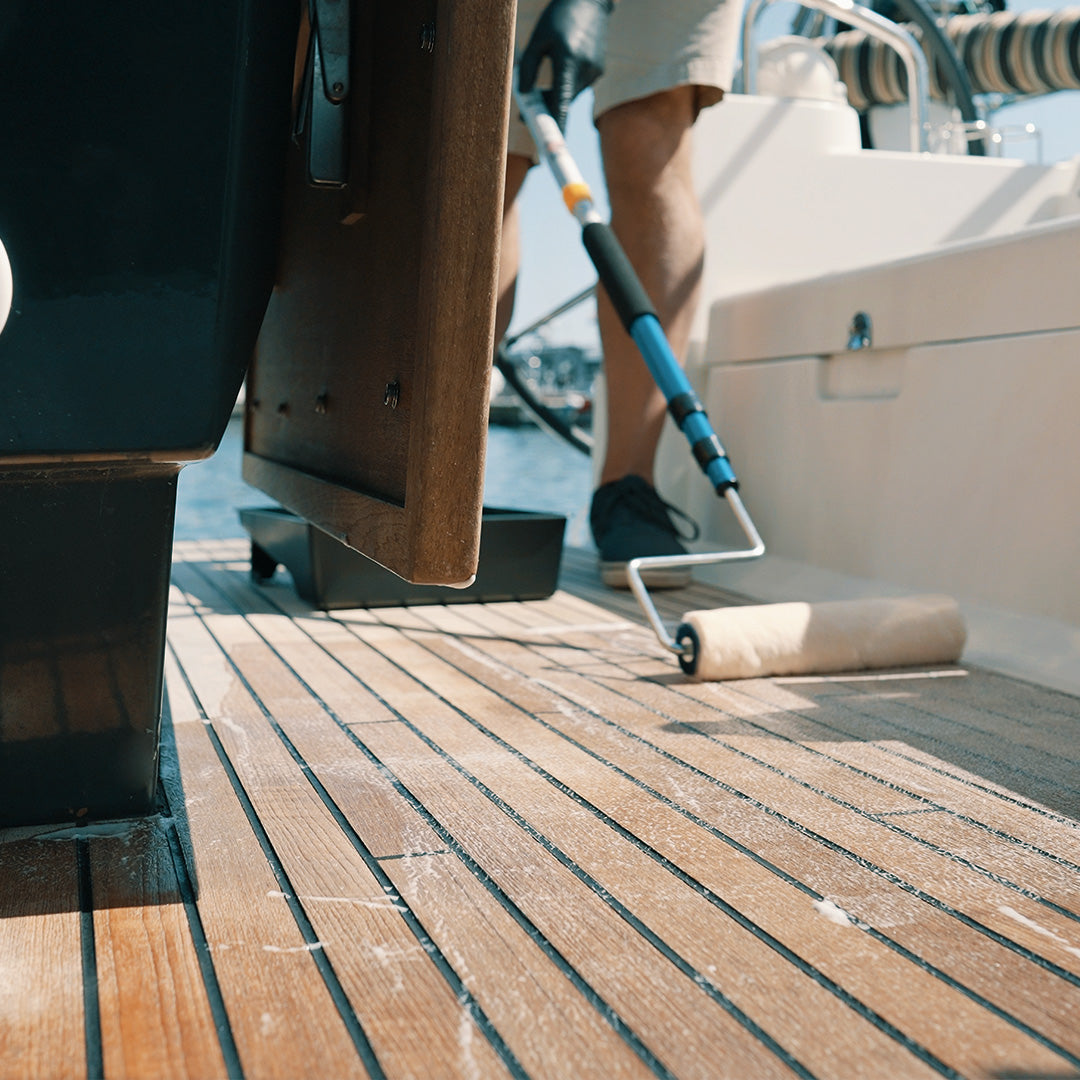
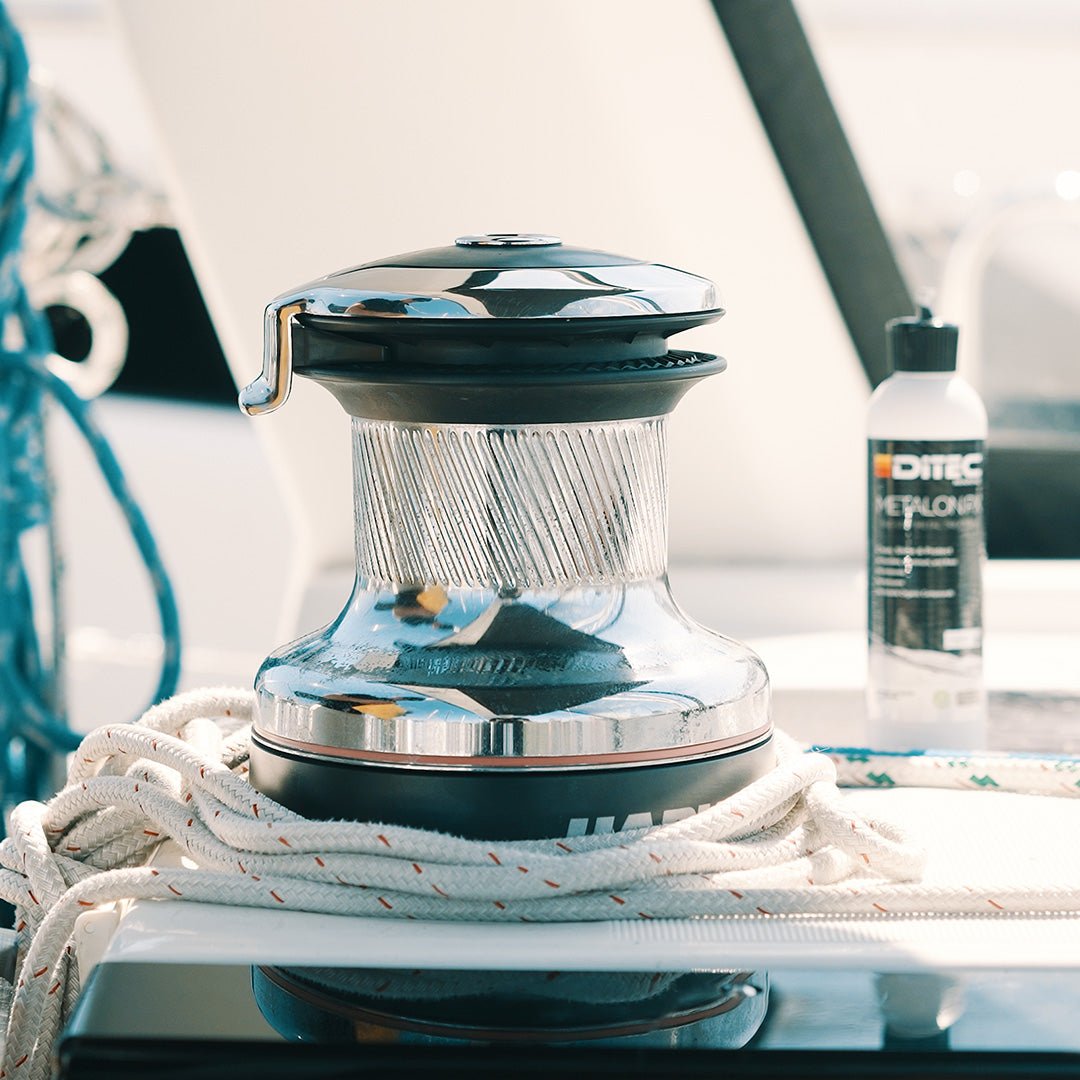
Advanced surface protection systems designed specifically for marine conditions can significantly reduce UV degradation by creating a sacrificial barrier between the sun and the substrate. Routine washing alone is not enough; long-term protection requires engineered UV-resistant solutions like PROTEC 1 for painted and gelcoat surfaces, Triton 2.0 for teak, Glasstec for glass, Metalon PX for metal, and MVP for vinyl and upholstery.
2. Saltwater and Mineral Contamination

Saltwater is unforgiving. Even vessels used occasionally in marine environments are exposed to salt crystals, airborne salinity, and mineral deposits that attack surfaces long after the boat is back in the marina.
Common effects include:
- Corrosion on metals and fittings
- Etching and staining on glass and gelcoat
- Accelerated wear on moving components
- Pitting of polished surfaces
Salt attracts moisture, which keeps surfaces damp and promotes corrosion—even when the vessel appears dry. Over time, this can compromise both appearance and structural integrity.
Prevention
Consistent freshwater rinsing is important, but on its own it cannot stop microscopic salt intrusion. Protective coatings that seal surfaces at a molecular level help prevent salt from bonding and reduce corrosion risk across exposed areas. Use PROTEC 1 for painted and gelcoat surfaces, Triton 2.0 for teak, Glasstec for glass, Metalon PX for metal, and MVP for vinyl and upholstery.
3. Biological Growth and Environmental Fallout

Marine environments are rich in organic matter. Algae, mould, mildew, bird droppings, tree sap, and industrial fallout all contribute to surface contamination that degrades materials over time.
These contaminants can:
- Stain gelcoat and paint
- Permanently mark soft surfaces
- Create acidic reactions that etch finishes
- Increase drag and fuel consumption when left unchecked
Once contaminants penetrate unprotected surfaces, removal becomes more aggressive—often involving harsh chemicals or mechanical abrasion that further accelerates wear.
Prevention
The key is reducing surface porosity. Smooth, sealed surfaces resist adhesion, making contaminants easier to remove and reducing the need for abrasive cleaning methods that shorten the lifespan of materials. Use PROTEC 1 for painted and gelcoat surfaces, Triton 2.0 for teak, Glasstec for glass, Metalon PX for metal, and MVP for vinyl and upholstery.
4. Improper Cleaning and Maintenance Practices

Ironically, some of the most severe long-term damage we see comes not from the environment, but from well-intentioned owners and crews.
Common issues include:
- Overuse of abrasive polishes and compounds
- Strong detergents that strip protective layers
- Inconsistent maintenance routines
- Cleaning tools that scratch or mar surfaces
Each aggressive cleaning cycle removes microscopic layers of material. Over time, this leads to thinning gelcoat, dull finishes, and surfaces that deteriorate faster with each subsequent wash.
Prevention
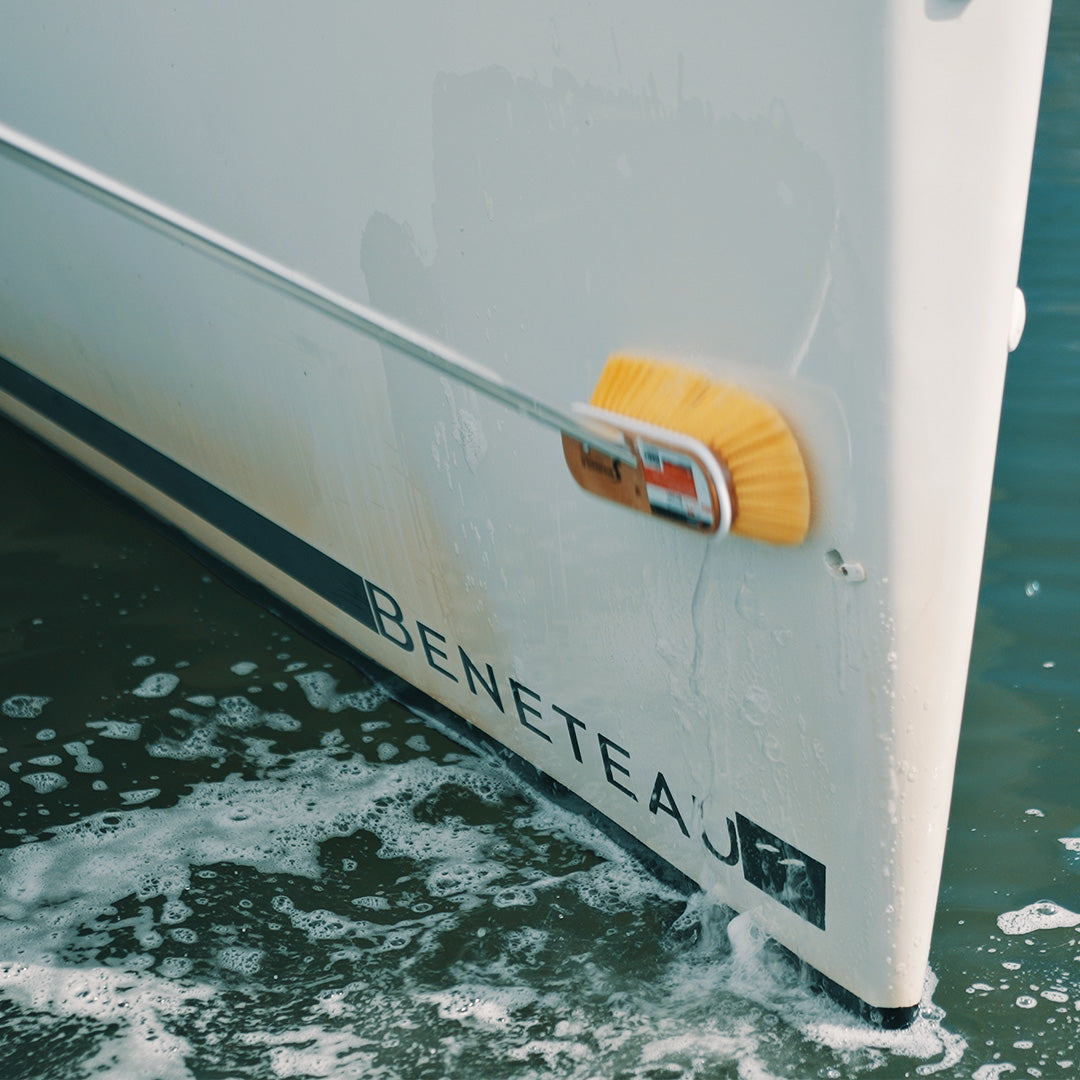
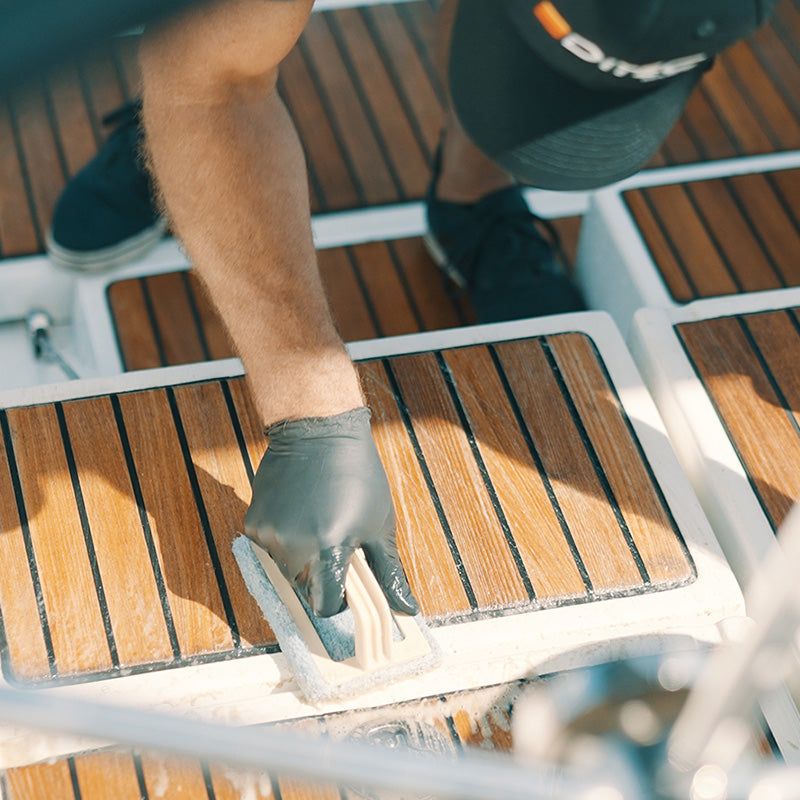
A protection-first approach changes the maintenance equation entirely. When surfaces are properly protected, cleaning becomes gentler, faster, and less frequent—preserving materials rather than wearing them down. Read more about the 20-minute cleaning routine that prevents long-term wear here.

Modern boats and yachts are built with advanced materials, but those materials still require intelligent protection to perform over the long term. Wear is inevitable, but premature wear is not.
At DiTEC Marine Products, our focus is on preventative technology designed to:
- Extend the life of marine surfaces
- Reduce maintenance costs and downtime
- Preserve value and appearance
- Perform reliably in real-world marine conditions
Protection isn't an upgrade—it's a strategy
And when done correctly, it pays dividends for years to come.